Government Operations · Disciplinary Actions
Government Disciplinary Practices
A data-driven look at how government agencies discipline their people — where accountability works, and where disciplinary processes get exploited.
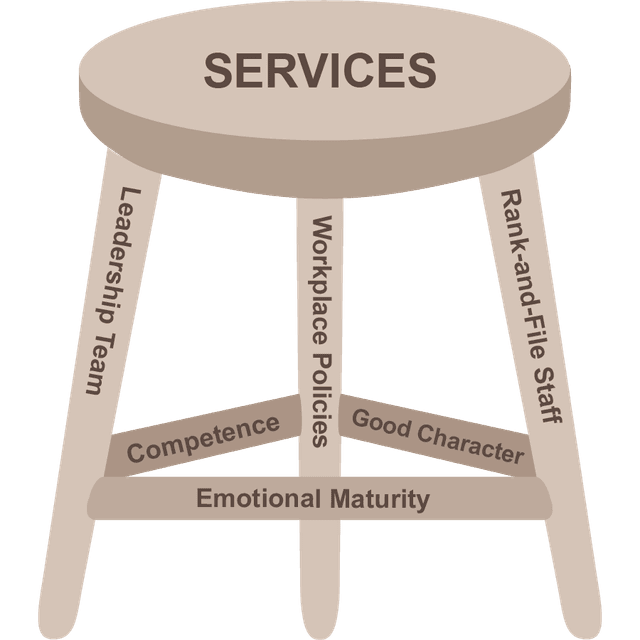
Competent leadership and ethical policies turn disciplinary actions into positive learning experiences. Conversely, when accountability fails, services suffer and disciplinary processes are frequently exploited or misused.
Weaponized Discipline
Track how fabricated paper trails, vague PIPs, and stacked documentation are used to push out targeted employees.
Retaliation & Silencing
Identify patterns where whistleblowers and high performers are disciplined while favored employees are shielded.
Higher Operating Costs
Examine the financial, legal, and human cost of abusive discipline across organizations.
Disciplinary Tactics & Techniques
This matrix outlines common disciplinary tactics, contrasting legitimate accountability techniques with illegitimate practices used to improperly target employees.
| Tactic | Legitimate Technique (Accountability) | Illegitimate Technique (Mismanagement) |
|---|---|---|
| Performance Management | Progressive discipline and coaching plans with clear metrics and documented opportunities to improve. | Predetermined failure plans that set unrealistic milestones to manufacture a paper trail for termination. |
| Investigations | Neutral fact-finding using established complaint channels, due process, and evidence standards. | Retaliatory inquiries targeting minor or fabricated infractions to intimidate and discredit reporters. |
| Resource Allocation | Budget-driven duty changes tied to mission priorities and transparent operational needs. | Constructive demotion by stripping meaningful duties and assigning low-value or humiliating tasks. |
| Workforce Assignment | Reassignment or scheduling adjustments applied consistently for documented coverage needs. | Isolation transfers and schedule manipulation designed to create personal and professional hardship. |
| Fitness and Capability Reviews | Fitness-for-duty evaluations used only when objective safety or performance indicators are present. | Weaponized medical reviews that question stability or credibility after protected disclosures. |
| Security and Information Governance | Security protocols and access-control decisions based on verified risk, policy, legal obligations, and organizational compliance requirements. | Information blockade and access suspension used to prevent participation, reporting, or role-critical communication. |
| Formal Sanctions | Proportionate corrective action for substantiated violations with consistent standards. | Pretextual discipline for minor infractions while comparable behavior by others is ignored. |
| Performance Evaluation | Objective appraisals tied to documented results, role expectations, and review criteria. | Deflated ratings after protected activity to block advancement, bonuses, or promotions. |
| Legal and Confidentiality Controls | NDA and confidentiality practices narrowly scoped to protect proprietary or legally sensitive information. | Overbroad gag directives that misstate NDA scope to silence lawful reporting. |
| Professional Standing | Reference and communication practices grounded in verified performance history. | Blacklisting, rumor-spreading, and social silencing to undermine reputation and future opportunities. |
Disciplinary Actions
Loading…
| Documents | |||||
|---|---|---|---|---|---|